 |
|
|
Get Ready for Plastic Free July Plastic Free July is a global movement that invites each of us to not only take a closer look at our daily plastic habits, but also to rethink how we hold companies accountable to create a world with less plastic. You’ve likely tried to cut back on plastics—you carry a reusable water bottle, skip the plastic utensils when you can, or bring your own bags to the grocery store. That’s a great start! But if you’re left wondering if it’s enough to even make a dent, you’re not alone. The truth is, we’re up against a massive system: over 430 million tons of plastic are produced globally each year, and most of it is designed to be used once and tossed. In the US, we only recycle about 5% of the plastic we use, either due to a lack of recycling access, or because that plastic wasn’t designed to be recycled in the first place. That’s why this Plastic Free July, we’ve got simple tips to help you reduce your own plastic use, but we’re also focusing on the bigger picture—the fossil fuel extraction and toxic chemicals behind plastic production, the health and environmental harms they cause, why plastics are so often not recyclable, and the systemic solutions that are gaining ground—and how you can be part of the shift! |
|
 |
Reducing Our Dependence on Plastics Plastic is everywhere—but does it have to be? The truth is, this crisis isn’t accidental—it’s by design. In this blog, we break down the startling numbers behind our global plastics problem and examine its impact on everything from human health to marine life to the frontline communities living near petrochemical plants. We’ll also explore why holding producers accountable—not just consumers—is the only path to lasting change. And if you’re ready to start at home, we’ve got simple tools to help you audit your plastic use and make meaningful, doable shifts. >> Explore the full story in Reducing Our Dependence on Plastics. |
|
 |
Single-Use Plastics: A Catastrophe of Convenience Single-use plastics weren’t inevitable—they were sold to us as “progress.” Decades ago, the plastics industry championed a throwaway culture that promised convenience, but delivered long-lasting pollution, health risks, and mountains of waste. Today, we produce over 430 million tons of plastic each year—much of it used just once and tossed. This blog traces the cultural shift from reuse to disposability, shows how industry shaped our current habits, and includes practical tips to help you ditch single-use plastics on the go. >> See how we shift from throwaway culture to accountability in Single-Use Plastics: A Catastrophe of Convenience. |
|
 |
For Better or for Worse Plastics: Which Ones to Avoid Not all plastics are created equal—and that little triangle on the bottom of your plastic container doesn’t mean it’s recyclable. For years, the “chasing arrows” symbol has misled people into believing that most plastics are recyclable. In reality, some plastics are far more toxic than others, some are nearly impossible to recycle—and some are both. In this blog, we decode which plastics are safer to use (and more likely to be recycled) if you do use plastic, which plastics to avoid entirely, and how new legislation in Colorado and across the nation is helping phase out the worst offenders. >> Get the full breakdown in For Better or for Worse Plastics: Which Ones to Avoid. |
|
 |
Hidden Plastics: The Problem We Can’t Always See Plastic pollution isn’t just what we see—it’s hidden in everyday items like synthetic clothing, tea bags, and receipts. And plastics never really go away, they only break down into smaller and smaller pieces called microplastics—tiny particles that pollute our water, our food, and even our bodies. In this blog, we uncover the hidden sources of plastic in our lives, explore the rising health and environmental risks of microplastics, and highlight the policies and innovations offering hope for a cleaner future. >> Dive deeper into Hidden Plastics: The Problem We Can’t Always See. |
|
 |
|
|
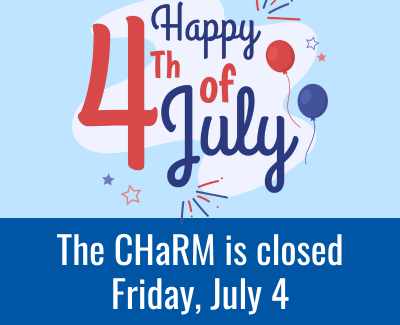
Fourth of July Closures at 6400 Arapahoe Rd. The Eco-Cycle/City of Boulder Center for Hard-to-Recycle Materials (CHaRM) facility, and our neighbor, Resource Central, will be CLOSED on Friday, July 4, in observance of the holiday. Regular business hours will resume on Saturday, July 5, 9 am to 5 pm. |
|
|
|
|
|
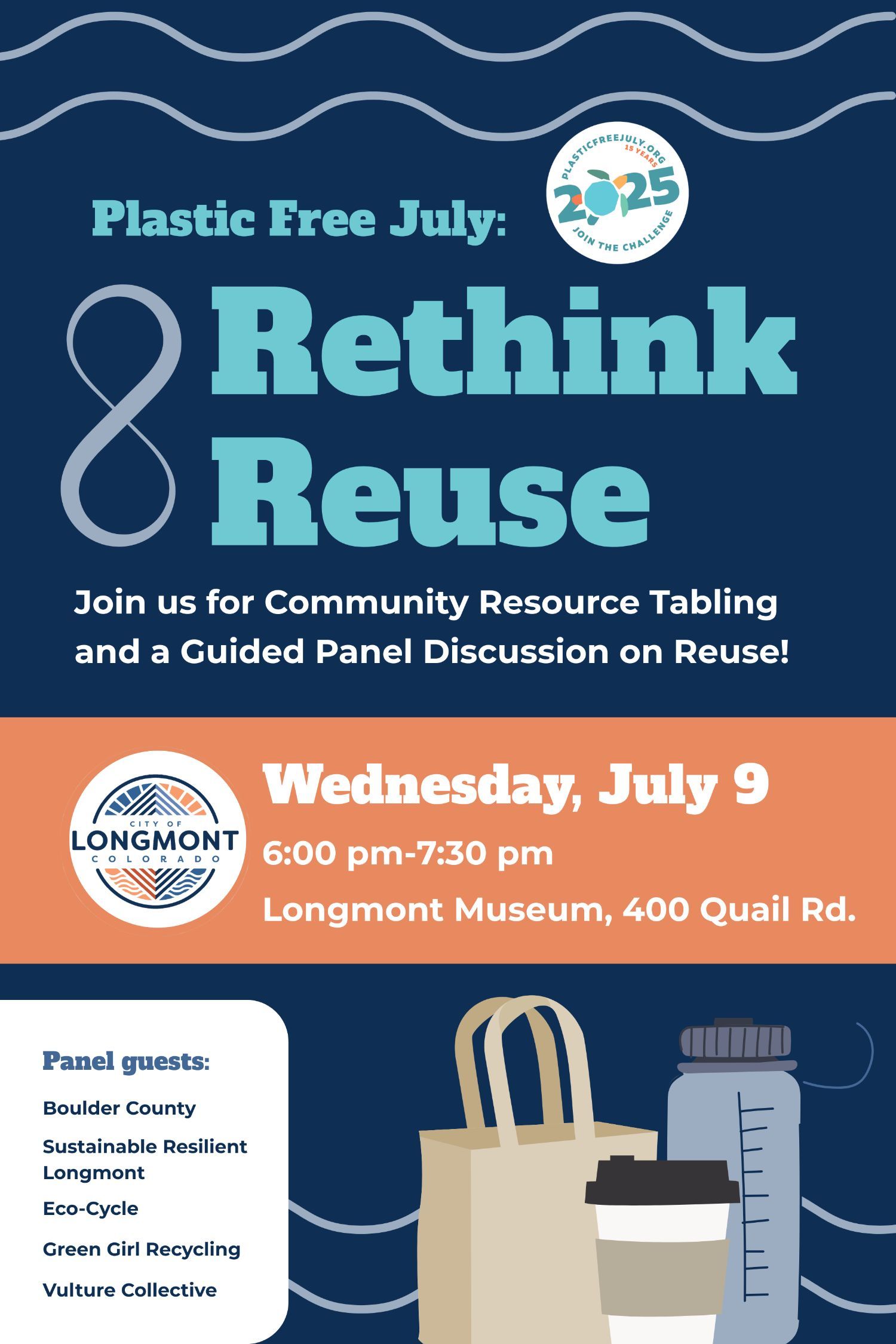
Plastic Free July: Rethink Reuse
Wednesday, July 9, 6–7:30 pm
Longmont Museum, 400 Quail Rd, Longmont, CO 80501 Join Longmont's Sustainability office for Plastic Free July: Rethink Reuse, including resource tabling and a guided panel discussion on reuse. Panelists include Eco-Cycle, Boulder County, Sustainable Resilient Longmont, Green Girl Recycling, and Vulture Collective! Join for one or both sessions:
- 6:00 pm–6:30 pm: Resource Tabling
- 6:30 pm–7:30 pm: Guided Panel Discussion on Reuse
|
|
|
|
|
|
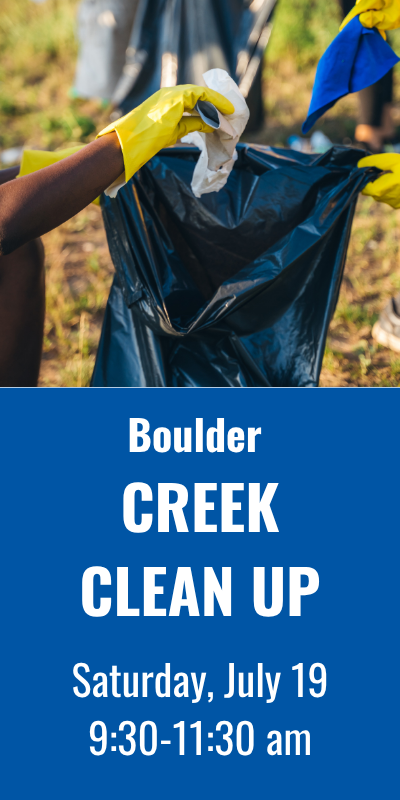
Join us for a Creek Cleanup
July 19, 9:30-11:30 am; Boulder Join Eco-Cycle volunteers as we help out with United by Blue's creek cleanup on Saturday, July 19, from 9:30 to 11:30 am. We'll meet at the Rayback Collective (2775 Valmont Rd, Boulder) and clean up Goose Creek and Elmer's Two Mile Creek. Come for the cleanup and stay for a chance to win a United by Blue backpack made out of recycled plastic, as well as free drinks provided by the Rayback Collective! Environmental nonprofits from the Boulder area will be tabling to show how you can get more involved in their amazing efforts. All supplies are provided, and kids are more than welcome to attend. |
|
|
|
|
|
|
|
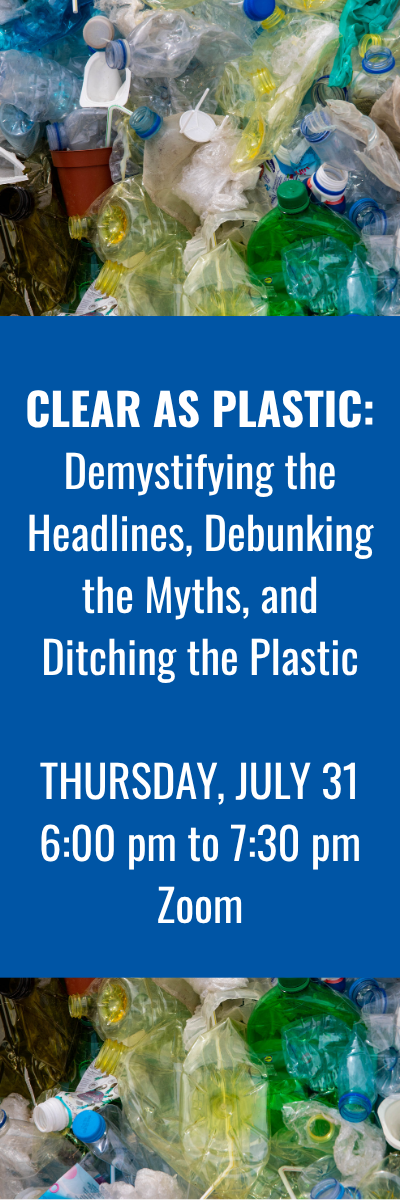
Eco-Cycle Webinar: Clear as Plastic
Demystifying the Headlines, Debunking the Myths, and Ditching the Plastic
July 31, 6:00-7:30 pm MT; Zoom It’s been a wild year for plastics news—and we’re here to make sense of it all. Wrap up Plastic Free July with clarity, empowerment, and answers to your biggest questions. We'll guide you through the murky world of plastics—cutting through the confusion and giving you the tools to take action. We’ll cover:
- Your top burning questions, like "Is plastics recycling a hoax?”, “What makes plastics so complicated?”, and "How did we get here—and what can we do now?”
- Smart, practical ways to reduce your plastic use
- Easy plastic-free swaps and conscious shopping tips
- A live "Ask Me Anything"—bring your questions, and let’s get real together!
Whether you’re just starting your plastic-free journey or you’ve been in the (reusable) trenches for years, this webinar is for you! |
|
|
|
|
|
|
|
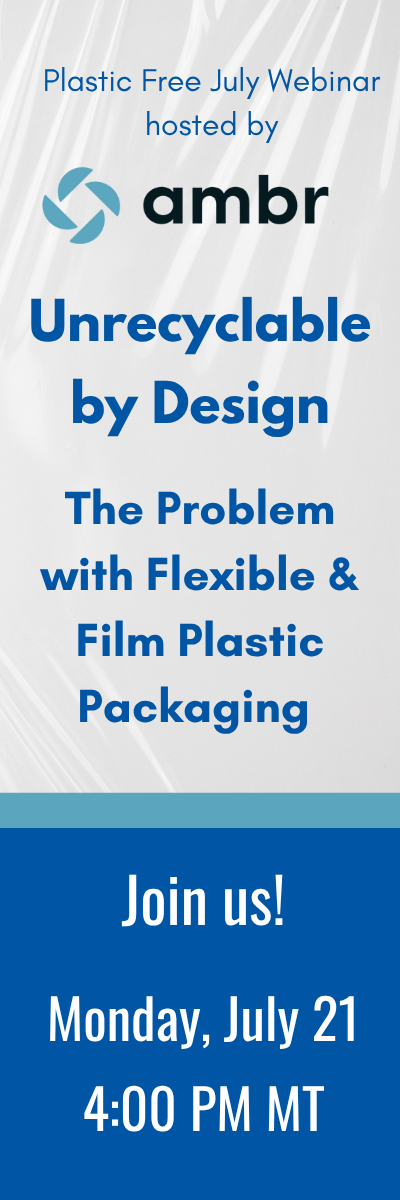
Unrecyclable by Design: The Problem with Flexible & Film Plastic Packaging
Monday, July 21, 4:00 pm MT; Zoom Flexible plastic packaging—think chip bags, pouches, and shrink wrap—is marketed as recyclable. But on-the-ground experience tells a different story. In reality, film plastics are extremely difficult and expensive to collect, sort, and recycle through curbside systems. As more states—and the world—move forward with Extended Producer Responsibility (EPR) for packaging and negotiate terms of a global plastics treaty, this issue can’t be ignored. Join us for a deep dive into:
- Why flexible and film plastics are largely unrecyclable by design
- The implications for EPR policy and global plastics negotiations
- What recyclers really consider when determining if a material is recyclable
Don’t miss this critical conversation at the intersection of recycling reality, policy design, and global action on plastic pollution. |
|
|
|
|
|
|
|
Protect Your Plants from Summer Heat with Eco-Cycle's Microbe Brew Compost Tea! It’s time to give your soil the boost it needs to thrive in summer heat! Pick up your Microbe Brew Compost Tea today at the Eco-Cycle/City of Boulder Center for Hard-to-Recycle Materials (CHaRM), located at 6400 Arapahoe Rd. Microbe Brew Compost Tea is not just any soil amendment—it’s a powerful, living elixir for all types of plants, including lawns, gardens, flower beds, trees, shrubs, and houseplants! Made on-site using nutrient-rich worm castings, this liquid compost tea is teeming with microscopic organisms that digest organic matter and minerals and turn them into forms that can be readily absorbed by plant roots, stimulating growth. This season Microbe Brew has been reformulated and is teeming with more diverse microbial life than ever! Learn more, and see sizes and prices here. |
|
|
|
|
|
|
|
|
|